Ohuub
 How Student Debt Affects the Millennial and Generation Z in Their Personal FinancesMillennials and Generation Z face significant financial challenges due to student debt, impacting their spending, saving, and investment behaviors. High loan obligations delay home ownership and marriage, limit career choices, and contribute to financial anxiety. Addressing student debt is crucial for improving economic mobility and overall well-being.
 The importance of credit analysis in obtaining financing in the United StatesCredit analysis is vital for obtaining financing in the United States, influencing loan eligibility, interest rates, and overall financial health. By understanding credit scores and reports, individuals can enhance their credit profiles, leading to better loan terms and increased approval chances, ultimately empowering their financial decisions.
 The Impact of Interest Rates on Personal EconomyInterest rates profoundly shape personal finance by affecting loan costs, savings returns, and investment strategies. Understanding these fluctuations enables informed decisions, guiding individuals in managing mortgages, savings accounts, and retirement planning. Staying proactive in response to interest rate changes can enhance financial stability and security in an evolving economic landscape.
 Investment Diversification Strategies in a Volatile MarketNavigating a volatile market necessitates understanding investment diversification strategies. By utilizing techniques like asset allocation, geographic and sector diversification, and alternative investments, investors can mitigate risks and enhance returns. Adopting these methods fosters resilient portfolios, enabling effective management and growth amidst economic uncertainty.
 The influence of mental health on personal finance managementThe connection between mental health and personal finance management is critical, as financial stress can worsen mental health and vice versa. Emotional spending, budgeting challenges, and debt aversion often stem from mental health issues, highlighting the need for integrated strategies that promote both financial literacy and psychological well-being for improved life satisfaction.
 The Role of Fintechs in the Transformation of Financial Services in the USAThe rise of fintechs is profoundly transforming financial services in the USA by enhancing accessibility, cost efficiency, and user experience. These innovations challenge traditional banking, driving competition and collaboration, as both consumers and institutions adapt to a more inclusive, tech-driven financial landscape focused on personalized solutions and real-time transactions.
 How Cryptocurrencies Are Changing the Landscape of Personal FinanceCryptocurrencies are revolutionizing personal finance by promoting decentralization, accessibility, and lower transaction fees. As digital currencies gain mainstream acceptance, they empower individuals, enhance financial inclusion, and diversify investment portfolios. However, challenges such as regulatory scrutiny and environmental concerns must be navigated as the landscape evolves.
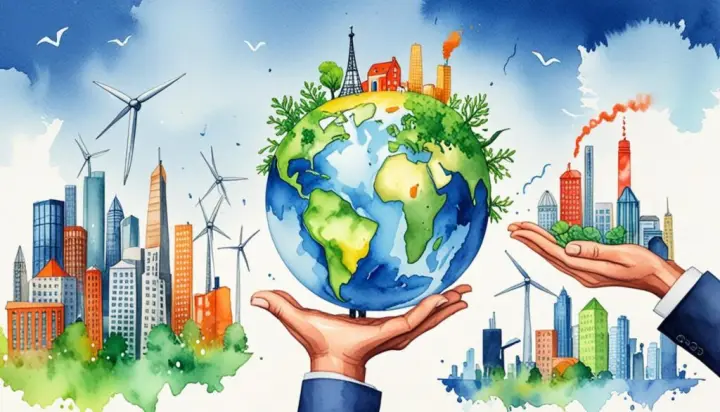 How climate change can impact investments and corporate financeClimate change is transforming investments and corporate finance by highlighting climate-related risks and opportunities. Companies must integrate sustainability into their strategies to enhance value, mitigate risks from extreme weather, and adapt to evolving regulations. Embracing sustainable finance, including green bonds and impact investing, is crucial for long-term profitability and…
 The Importance of Financial Education for Young AdultsFinancial education is essential for young adults, empowering them to make informed decisions about budgeting, investing, credit management, and savings. By building financial literacy, they can avoid debt, secure their futures, and foster lifelong habits that promote financial stability and independence in an evolving economy.
 The impact of changes in fiscal policies on the domestic economy in the United StatesChanges in fiscal policies profoundly impact the domestic economy in the United States, influencing economic growth, inflation, employment rates, and income inequality. These policies shape consumer confidence and investment patterns, underscoring the delicate balance between promoting growth and ensuring equitable access to resources for all Americans.